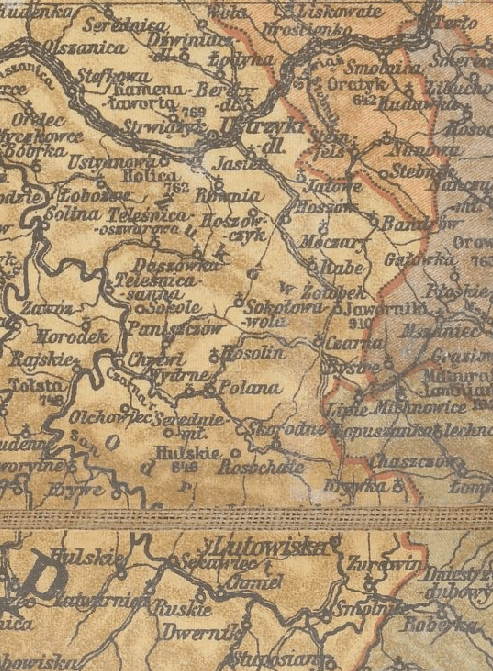
This is the fifth and final part of our project translating information on pre-WWII beliefs in vampires, witches, monsters, demons, death rituals and superstitions in specific villages. This post focuses on modern-day Bieszczady County. The information was provided by local school officials to the Sanok School Inspectorate in the late 1930s. The original documents and metadata are available online from the Sanok Historical Museum through the Sanok Digital Library.
To learn more about the scope and purpose of this project, see Introduction: Vampires, Witches, and other Terrifying Creatures in the Sanok School Inspectorate Questionnaires
Part 2: Sanok County (minus Komańcza)
Lutowiska
Procisne
Belief in ghosts and spirits
a) They believe a dog emerges from a deceased person, which crosses people’s paths at night and always disappears over a bridge in the water. The soul of the deceased wanders the world for as long as the dog cannot find the bridge.
b) When a person whose soul is sinful dies, storms arise after their death.
c) A person who talked a lot about ghosts, or summoned them during their lifetime, will wander late through the night after death and haunt until a harrow tooth is driven into their head.
d) When a child dies, two dogs—one white and one black—always fight at the cemetery, battling for the child’s soul. The white dog is a good spirit, and the black one is an evil one.
e) When a child dies without baptism, it wanders from house to house and asks for baptism until someone sprinkles it with holy water.
f) They put money in the coffin for the deceased, so the soul can quickly pay its way and get to heaven.
Superstitions: If someone refuses alms to a traveler or a beggar, they take milk from the cows and sow mice in the field to destroy the crops. When someone lends or gifts some of their harvest to another, they cast a spell to protect those things so that the receiver does not take away their happiness and prosperity on the farm. When a housewife wants to find out who has stolen her milk, she buys a new pot, a sieve, and pins. She sticks the pins into the sieve, submerges the sieve in the new pot, and boils it. The boiling pins prick the witch, causing her to come to the cottage to undo the spell.
Questionnaires without monsters
Dwernik, Krywe, Krywka, Skorodne, Stuposiany, Żurawin
Czarna Gora
Serednie Małe
They believe in the afterlife; some dead people haunt. At a child’s baptism, if the godparents do not recite prayers out loud, after the priest, various faults will cling to this child; among other things, it may become a sleepwalker. They go to a fortune teller in secret, in the event of some accident: fire, theft. Every woman believes in a witch who takes milk from cows, and men do too, only they say it does not happen in their own village…
…Witches are most active on the eve of St. George, and on the feasts of the Mother of God. Cautious people then place an axe under the stable doors, lock the doors with padlocks, and hang linen above the doors. The present generation does not know any legends or fairy tales, but they used to exist.
Rosochate
The following beliefs are connected to a deceased person:
1) When they carry the dead person out of the house, they place bread under the cart so that the wheel rolls over the bread, ensuring that the deceased does not mourn or regret leaving their household.
2) On the first night after the funeral, they place a plate with clean water and a small piece of purchased white linen on the table—believing that the deceased will come back to wash their hands. In the morning, they look for traces of water droplets on the linen—if there are any, the deceased has visited; if not, they will still come. On Monday, they will not lend or give anything to anyone, because then they would be forced to give things away for the entire week…
…If one walks around the house three times on Christmas Eve and looks through the window, they will see the coffin of whoever is going to die that year…
They believe in the evil eye and cast these charms with a word. They believe in witchcraft, (e.g., a woman can bewitch milk), so another woman boils 300 pins in the bewitched milk, and this witch will feel a pricking sensation–later they find out who did it. There are incidents of beatings of women suspected of witchcraft. When a cow calves, and someone comes at that time to borrow something, they will not give it, because the milk would keep spoiling after that. Before an annual feast, they will not give anything from the house, so as not to permit witchcraft. When there is a drought, and they want rain, then at the boundary of the fields, one must bury a crayfish and a frog. They say that a crayfish and a frog do not like each other, so they will therefore pray for so long until rain falls and washes them away. They must therefore be buried lightly, because otherwise the foul weather would last a long time. They believe in various local sorcerers who have the power to disperse lightning and hail clouds.
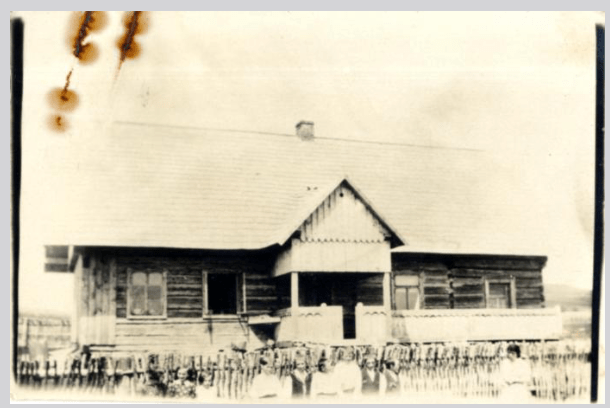
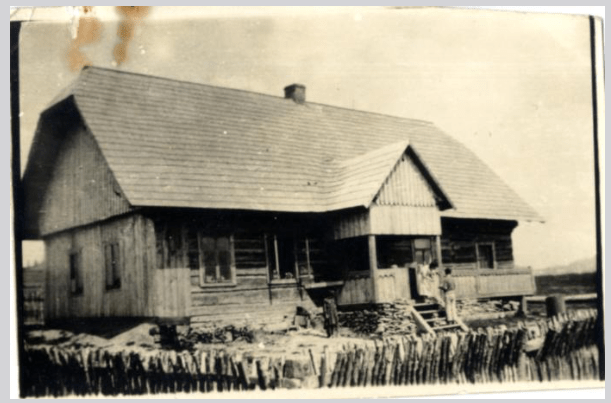
School in Rosochate; 24 May 1936
Żołobek
Regarding fears and ghosts, many beliefs and superstitions exist among the population, such as upiory, witches, and evil spirits; others believe in snake charming. The population—mostly women—is pious, while the men, especially returnee emigrants from foreign countries and World War participants, do not recognize religion.
Questionnaires without monsters
Chrewt, Czarna, Paniszczów, Polana, Sokołów Wola
Uztrzyki Dolne
Bandrów Narodowy
The local people believe very strongly in ghosts and terrors. The population believes that after death, the soul of a good person returns to Earth. On the third night after death, it comes to say goodbye to the family and household, and then leaves forever into the afterlife. The soul of an evil person stays constantly on Earth and does penance where it sinned. Almost every old villager has seen a ghost, and almost every villager has been led astray by an evil spirit called “błąd”. By the road leading to Bandrow Narodowy, on the so-called border, stands an old willow tree, where passing residents are continuously frightened at night. Under this willow tree, a woman once buried (the exact date cannot be established) her strangled illegitimate child. On the pasture called “Łazy”, a villager driving pigs home from the fair in the evening was possessed by the “błąd”, and as a result, he was only found in the morning sitting by the stream in a daze. The population believes that scares walk from house to house. A frightening incident recently occurred at the farm of a man named Gełyczak. During the evening, something started throwing stones at the servants. The frightened residents of the house all ran out onto the road screaming. They spent the night at a neighbor’s house, and the next day they brought a priest. The residents of this local village believe that an evil spirit resides in every cat. Therefore, there are very few domestic cats. There was even such an incident where a peasant called “Jekawy”, being convinced that an evil spirit was in his cat, caught the cat, gouged out its eyes, skinned it alive, and threw the cat into the fire. Since then, this farmer received the nickname “Kołołab” in addition to “Jekawy”. The population believes that some women are witches. When a calf is born and a woman comes to borrow something, she is definitely a witch who came to steal the milk. Monday is considered a difficult day by the inhabitants, therefore one should not travel anywhere; it is best to stay at home and chat. If a housewife sells milk and that milk has to cross water—meaning that the buyer must walk or cross over a river—then the housewife must [perform a protective ritual over] the milk after herself. Local women know how to charm away illnesses and remove the evil eye by taking burnt coal into a bowl of water, reciting incantations, and sprinkling the sick person’s face. On ‘Good Friday’, no housewife would lend anything for all the world…
…The local people strongly believe that witches possess special small stones, with which they go out into the dew. There, a stone moistened in the dew only needs to be rubbed against a cow’s udder to steal its milk. Last year, a similar incident occurred, where women chased an imagined witch with sticks, because she was walking with something through the dew.
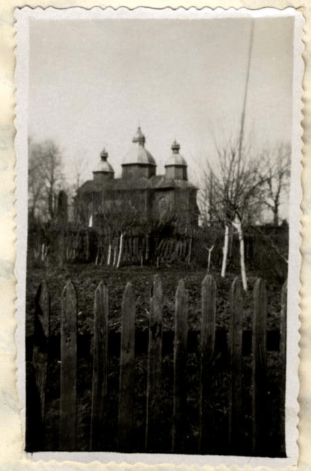
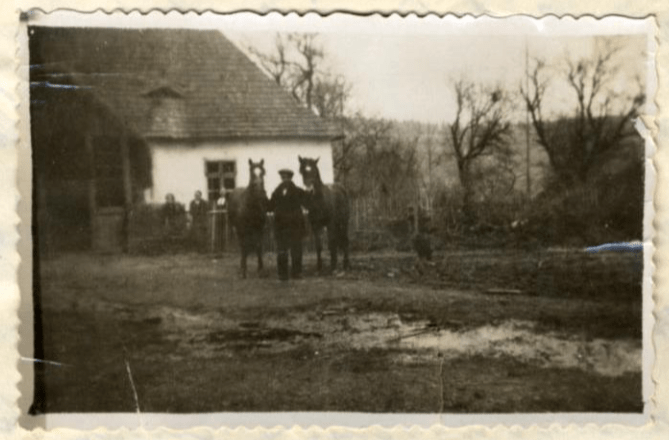
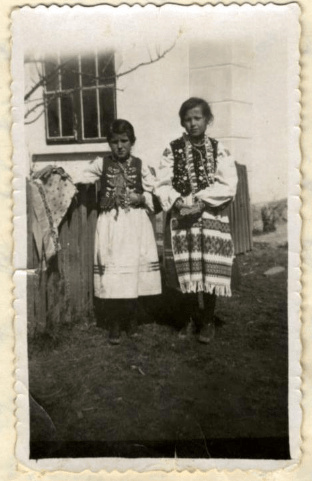
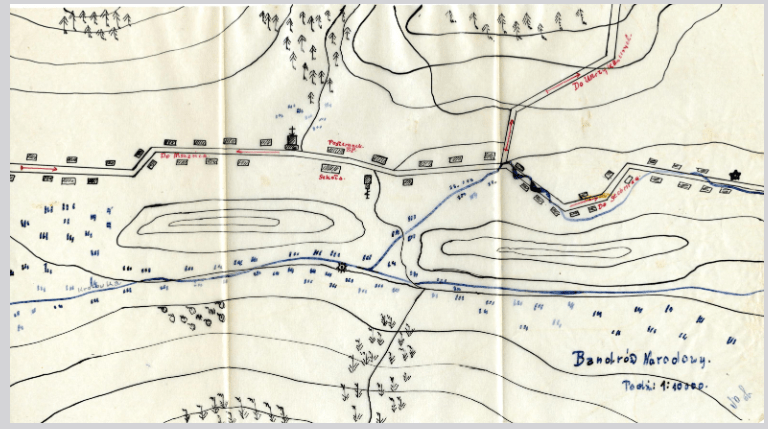
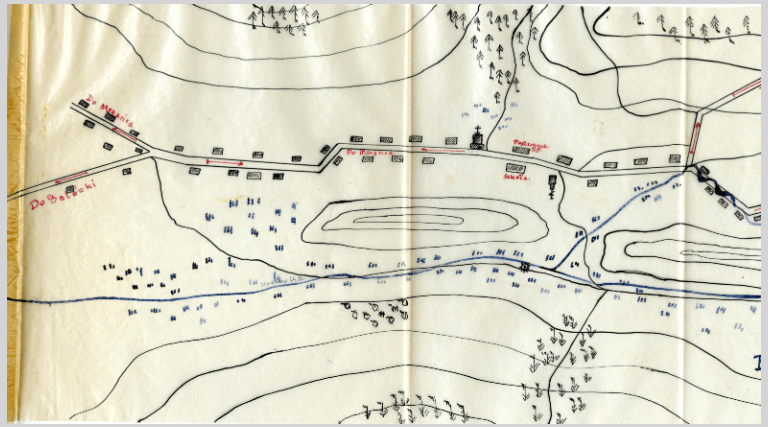
Imagery from Bandrów Narodowy questionnaire
Hoszowczyk
When it comes to the beliefs of the local people, along with various rituals, one cannot complain about a lack of them. For example, regarding a deceased person and a funeral, according to their beliefs, while the person is still alive but sick, milk should not be given from another house to the sick person’s house. This is because in the event of their death, the cow from which the milk came will lose its milk. If, however, milk was given and death occurred, then the housewife (the owner of the cow) runs to the water and blesses/crosses it with her hands, so that the cow does not lose its milk. The same applies to a house where a sick person dies: no milk must be taken out, otherwise the cows will lose it. Immediately after the death of the sick person, the members of the household stir/mix everything equally found in the house, so that the deceased does not take away the harvest.
If there were two priests at the funeral, work after the funeral proceeds as normal; however, if there was only one priest, then for two weeks following the funeral, it is forbidden to wash clothes, grind grain, thresh, etc. on the ground, because the soul of the deceased is bound to wander around the farmstead buildings for another two weeks and its peace must not be disturbed (because one priest leads out the body, and the second, the soul).
When the deceased is being carried out of the house, they strike the coffin three times against the threshold, which is meant to signify that the deceased is bowing to the household members.
Once the coffin is placed on the cart, one of the household members places a loaf of bread on it. Then, as the coffin passes the border of the estate where the deceased lived, one of the household members quickly removes the bread so that the deceased does not take the harvest’s fertility with them. Upon returning from the funeral, the household members consume this bread…
Serednica
The interesting, mysterious world of spirits, upiórs, superstitions, witches, and devils has many followers and believers in the countryside. There is such an immense power–a vast number of superstitions–that I will not manage to write them all down in today’s questionnaire; I will choose only the most interesting ones. When the head of the family dies, the sons walk for three days with their heads uncovered, and the girls with their braids unbraided, because otherwise the spirit of the deceased would haunt them for not paying him proper respect. From the house at that time, it is forbidden to lend or give anything away. When they carry the coffin out of the house, they strike it three times against the threshold of the cottage as a sign of the deceased’s farewell to the home, and so that he would never return under any guise after death and would not haunt after death. They also believe in upiórs, i.e., people who have two hearts, and after death, they transform into upiórs that roam around the cemetery and terrify residents.
In addition to spirits, they believe in various superstitions. On Mondays, no business should be started, because it will not succeed. On Fridays, one must not start doing laundry, because the linen will tear. In the evening, it is forbidden to sell dairy products, because a witch will take away the cow’s milk…
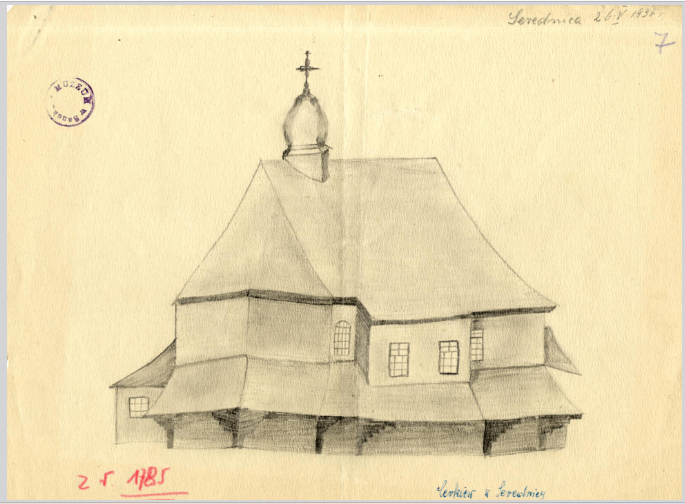
Questionnaires without monsters
Berehy Dolne and Górne, Brelików, Dźwiniacz Dolny, Jałowe, Jasień, Leszowate, Łobozew, Łodyna, Moczary, Równia, Stankowa, Teleśnica Sanna, Ustianowa
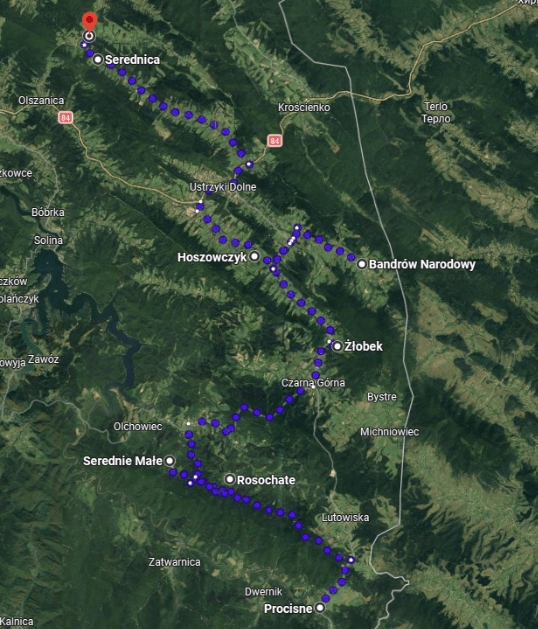
Images are found within the questionnaires, themselves, and are in the public domain. Please credit the Sanok Digital Library, not this site. Route maps from Google, vintage Galicia map from polona.pl, translations by Google.

