This is the third of five parts in our project translating information on pre-WWII beliefs in vampires, witches, monsters, demons, death rituals and superstitions in specific villages. This post focuses on modern-day Komańcza Gmina. This information was provided by local school officials to the Sanok School Inspectorate in the late 1930s. The original documents and metadata are available online from the Sanok Historical Museum through the Sanok Digital Library.
To learn more about the scope and purpose of this project, see Introduction: Vampires, Witches, and other Terrifying Creatures in the Sanok School Inspectorate Questionnaires
Part 2: Sanok County (minus Komańcza)
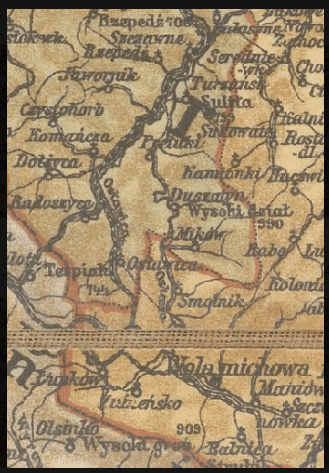
Komańcza
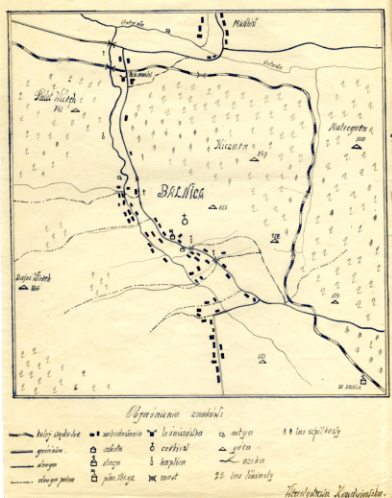
Balnica
They place a dying man on a bench and spread straw for him, so that it will be easier for him to die. When he dies and is already lying on the table, they take care that a cat or a dog does not pass under him –because then he will not become stiff. For they believe that a person who does not become stiff, if a cat or a dog passed under him, is an upiór. They perform protective rituals such as pouring poppy seeds into the mouth of such a person to prevent them from returning to their village or harming the household and cattle. They carry the coffin through the door in such a way that they strike the doorway three times, and its handle against the door latch. Along the way, they scatter poppy seeds behind him, and into the grave they throw money for every deceased person.
They believe in the evil eye. They throw a knot into the water. If the knot sinks and falls to the bottom, it means the sick person was afflicted by the evil eye…
…On Maundy Thursday, after the evening service, people leaving the church do not look back, because whoever looks back will die this year.
Zubeńsko
They believe that human souls, whose bodies do not rot after death, turn into upiory that torment the household members. To avoid this, immediately after the funeral, they scatter poppy seeds all around the grave, which the deceased must gather; this takes so much time that they will not manage to finish before dawn. On the other hand, so that a child does not walk after death, a piece of skin must be cut from the ear, or a nail must be driven into the forehead. They also believe in places haunted by the devil, who deceives man by taking the form of some animal, most often a goat or as will-o’-the-wisps. In connection with these places, the most diverse stories circulate, more or less sinister depending on the degree of fantasy or imagination of the storyteller. The day of terrors is Thursday.
They believe in witches who take milk away from cows and can cause an illness in a person, through the evil eye, manifested by severe shivering and nausea “nud pade ne szołowiska”. To get rid of it, one needs to throw a burning ember into water, preferably holy water, then drink it, and for good measure, wash the face and wipe oneself with the shirt one is wearing. To make the whole procedure more effective, fumigate oneself with burned herbs blessed on the Feast of Our Lady of the Herbs…
Łupków
Belief in upiórs – the still warm body of the deceased is considered the dwelling place of the upiór. They would drive a nail into a child’s head; for an adult they would bury and sprinkle the grave with poppy seeds, believing that before the spirit can gather all the poppy seeds, the rooster will crow.
Smolnik ad Baligród
Belief in upiory. We know that an upiór can reside in an unbaptized body. They drive a nail into a child’s head, bury others, and sprinkle poppy seeds over the grave, so that before the spirit can gather the poppy seeds, the rooster will crow. Belief in casting spells, taking milk away from cows.
Mików
There are kinds of fears and ghosts that the local people connect with a deceased person; what other beliefs and superstitions exist are in connection with the days of the week, month, and year…
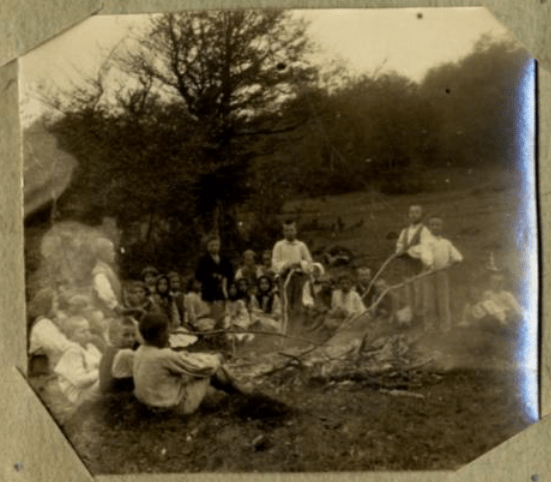
…There is a custom known as “koły”—youth gatherings featuring drumming, kissing, and various forms of mischief and revelry. Despite the clergy’s efforts, this pagan custom cannot be eradicated. The people are very fond of attending religious festivals (odpusty), though often more to visit family than for religious reasons. During these festivals, people’s behavior in the churches is often inappropriate; they chat and walk out during the service. They are particularly fond of the blessing of water at these events. The population is superstitious, frequently seeking the advice of fortune-tellers—whether regarding the construction of a new home, a trip to America, marriage, or a theft. Such a fortune-teller can be found in almost every village. There are also “healers” whose consciences bear the burden of ruined health and lost lives. Poverty and low levels of culture foster this situation. Pagan customs such as Kupala (bonfire festivities) for St. John’s Day and Rusala (the Friday evening before Pentecost) have also survived.
Prełuki
Crosses and shrines were erected either for a specific intention or in places where, as people say, ghosts used to appear.When someone dies, in the evening relatives, older neighbors, youth, and children gather for a so-called “kola” [circle]. They pray, sing pious hymns, read psalms, and also arrange various games, such as “shoeing the girls”, hitting, or “roasting the rooster”. The deceased is laid on boards supported by two stools on straw covered with homemade linen. On the first night after the funeral, they place a lit candle, bread, salt, water with a bowl, and a towel on the table, because they believe that the soul needs all of this. On the first evening after the funeral, they walk with a veiled candle around the corners to see if death is anywhere. When they place the deceased into the coffin, they give him some blessed herbs, a piece of a bread roll, garlic, and money. On top, some people sprinkle him with poppy seeds, so that he twists and troubles himself for as long as it takes to gather that poppy seeds, so that he does not walk after death. Grain is scattered behind him, so that he does not take the harvest to the other world and so that crops will grow. From the linen fabric given to the deceased, they pull out threads, so that flax and hemp will grow. When they carry the deceased out of the cottage, they knock the coffin three times against the threshold as a sign of gratitude for everything, because they believe that until this time, the deceased still knows and feels everything. Things of the deceased are burned or given to the poor. The straw on which he lay is carried to the river bank and burned, watching the rising smoke, inferring where this soul will return whether to heaven or to hell. The population seems generally pious, likes to go to Sunday services, devotions, and indulgences, but they strongly believe in witchcraft, superstitions, quack doctors, etc…
…On Christmas Eve, besides hay, straw, and a large loaf of bread, they bring a piece of a plow—a coulter—and an axe into the cottage to place under the table, and they encircle all the table legs with a chain, upon which they keep their feet during dinner so that they might be strong and healthy like iron. On the first day of Christmas, a woman is not allowed to enter the cottage first because they believe in the so-called “połazyk” or “łazik,” and if a woman enters the house, it is a bad omen for the whole year, and if any misfortune occurs, it would be blamed on that person. The local people also believe in so-called “bisiurkinie,” who bewitch milk and take milk away from cows, and this happens mostly before St. George’s Day. To prevent such a witch from entering the cottage, they often place a harrow, a plow, and an axe before the door, and they also encircle the entire homestead with poppy seeds.
Jawornik
The local population is not pious. Inside the church, during the service, talking and sleeping are constantly seen. When the priest delivers a learned sermon that is not interspersed with interesting stories, they leave the church. On the other hand, they love weddings and music so much that they bring infants with them, and even if uninvited, the whole village turns out. They believe in fortune-tellers and folk healers and spend money on them. When a cow falls ill, they immediately fumigate it with a burnt swallow’s nest and smear its eyes with water colored with scrapings from someone else’s stable. On Good Friday and every day before St. George’s Day, women run around the stables naked (before sunrise) and scrape the thresholds of neighboring stables where the cows are. They also cut the tails of other people’s cows and fumigate their own stables and cows with the burnt hair. When someone is bitten by a viper, they take a brand-new small knife and give it to a folk healer, so that he may cast a spell over the bite
They do not have favorite songs. At weddings and music gatherings, the youth sing Polish and Ruthenian military songs. At a funeral, one of the deceased’s family members walks, crying out with a weeping voice, recalling the good deeds of the deceased. When the deceased lies on the bench, the living gather for the so-called ‘koły’ (circles/rounds). In these circles, one person portrays the deceased and performs a public confession, and then penance. Instead, there is laughter, shouting, and fighting. They do not act as if they came to pray. After the funeral, they stand around, eating and drinking just like at a wedding.
Turzańsk
Some older people believe that the dead walk, so when someone in the village dies, they gather for the so-called “koły,” during which they tell each other various adventures and organize games. There used to be a customary game during which people hit each other, which is now disappearing.
Maniów
A dying person is placed on a bench, and straw is spread beneath them so that they may die more easily. After death, when they are laid out on the benches, they make sure that no dog or cat passes under him, because then the deceased will not stiffen. If, despite this, he does not stiffen, they consider such a person to be an upiór, who after death returns to strangle cattle. Unless someone prevents this using secret practices, the upiór causes death to people.
An Upiór-Man is buried differently. They cut off his head and place it between his legs, and they nail the coffin shut with three nails, driving them into the head, heart, and legs. Then he will never leave the coffin. They carry the coffin out in such a way that they lock the door with the handle, but take it off its hinges and leave through there. They scatter poppy seeds along the entire path, and they also put poppy seeds into the deceased’s mouth. They also scatter poppy seeds into the grave so that if he does get out, he will spend all his time gathering those seeds…
…When a child is born generally calm, but suddenly at some point starts screaming and crying, people do not understand what happened and say it caught “from church” (the name of an illness). Then, a woman goes to the cemetery with an old pot (at whatever time the child started screaming). She takes soil from the most recent grave into the pot and water from a stream. She mixes this mud and rubs it on the child moving away from herself, using the back of her hand. Afterward, she returns the soil and the pot to the cemetery.
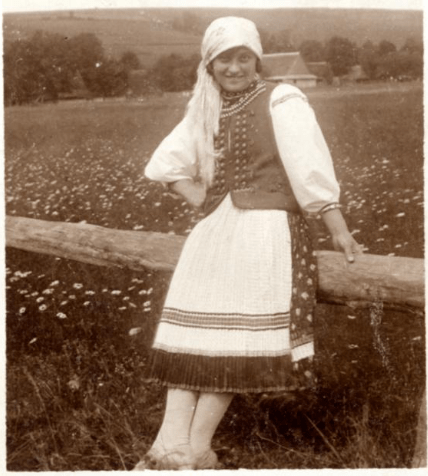
Maniów–Lemko woman
Kulaszne
The population devoutly believes in all kinds of ghosts, and is superstitious. A dead child is placed with a wax ring on its finger, and two coins in its hands, so that it might ‘buy its way in’ at the gates of heaven. The old deceased often walk the earth, shrieking, and there are incidents where they cause great harm to their siblings or children. Here is what a farmer told me about his deceased father:
“We buried our father properly, and he had a nice funeral, and we dressed him well; it was apparent, however, that he was not entirely satisfied, for every third night after the funeral, he would come to the barn and bring bundles of grain and scatter it around, disturbing the cattle. There was no helping it, and this went on for quite a long time. During this time we suffered a lot. We went with our affliction to a peasant in [Usijaw], who, having arrived at our estate, confirmed the presence of an upiór. He ordered us to dig the “gates” from under the house. Finally, when all that did not help, we went to the cemetery, dug father up from the grave, and drove a nail into his head so he would not come back anymore. This measure proved to be truly effective, because since then we have been living in our former peace.”
Another farmer has a similar story.
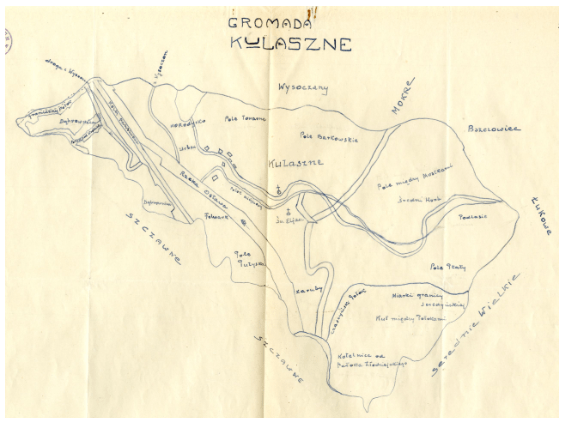
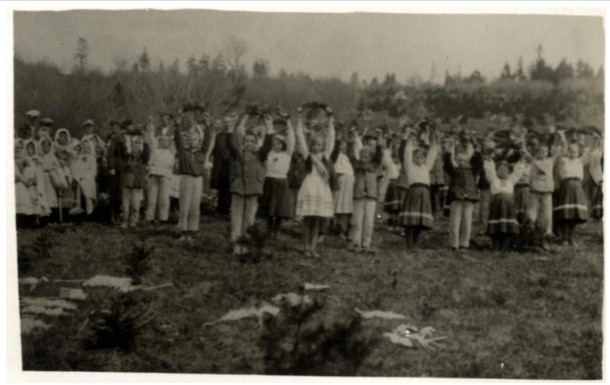
Kulaszne–Forest Festival
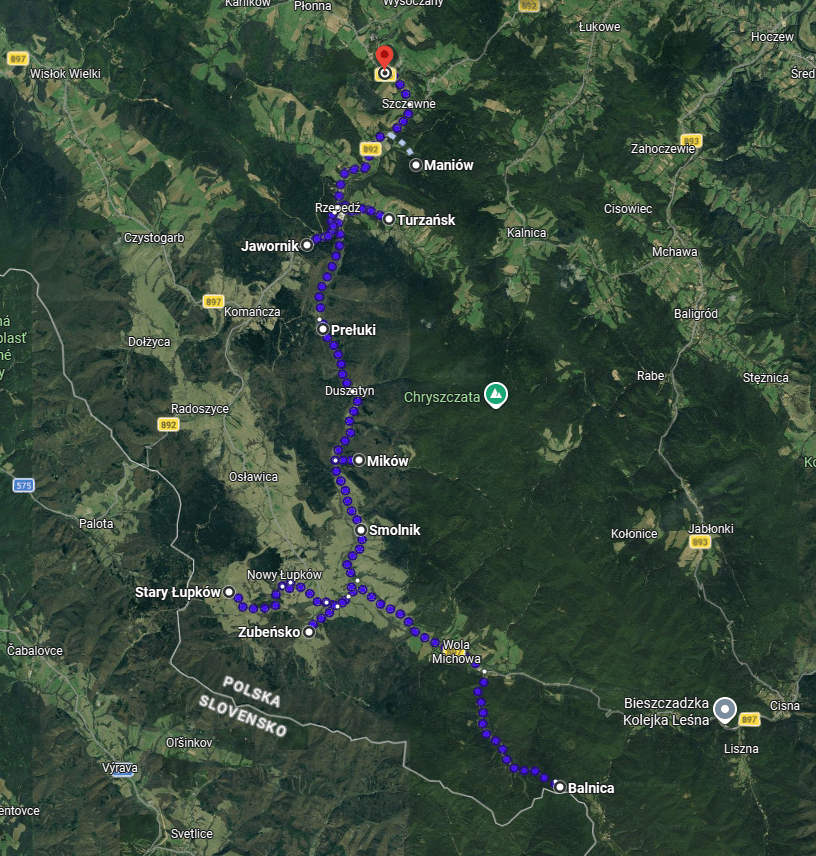
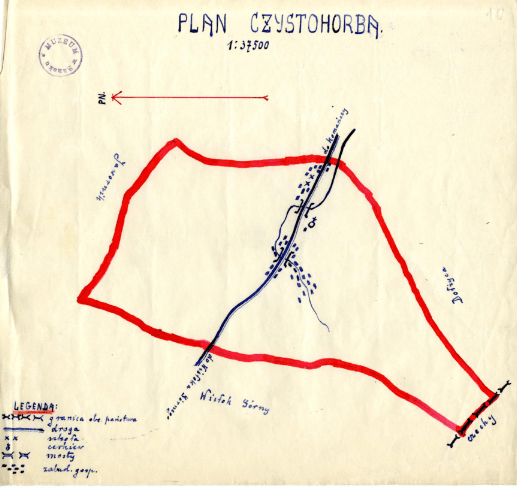
Czystohorb
The local people believe in specters and spirits. When a family member dies, a Holy Mass is offered so that the deceased’s spirit does not haunt the living. There are many such superstitions; for instance, if someone in the village dies, no work may be started on that day.
On St. Andrew’s Eve, girls smear their hands with honey and flour, then offer their hand to a dog; the direction in which the dog licks it indicates the direction from which a future husband will come.
On the night of Maundy Thursday, farmers keep watch in the stable, fearing that witches might transform into various creatures or cast spells to steal the livestock’s milk.
Wisłok Dolny
When someone dies, people go to the so-called “świecenie.” The elders sing then, while the youth play pranks and mischief; no one is allowed to sleep in that house. After the funeral, they host a feast, mostly inviting the priest. When the deceased is remembered, one must give an offering. Once the sun sets, it is forbidden to take out the trash, otherwise someone will die. The house where the deceased lies is swept by someone from a different house. When trash is burned and the smoke blows toward a certain cottage, they claim someone will die there. They forbid crying, because if one cries, the deceased will be wet in the afterlife. They put holy water in the coffin so that the body does not decay. After the funeral, they place a bowl of water and a towel in the spot where the deceased lay, so that the soul can wash itself. Deceased husbands visit their wives and consort with them; if a wife wants to free herself from him, she must turn the deceased’s wedding clothes inside out.
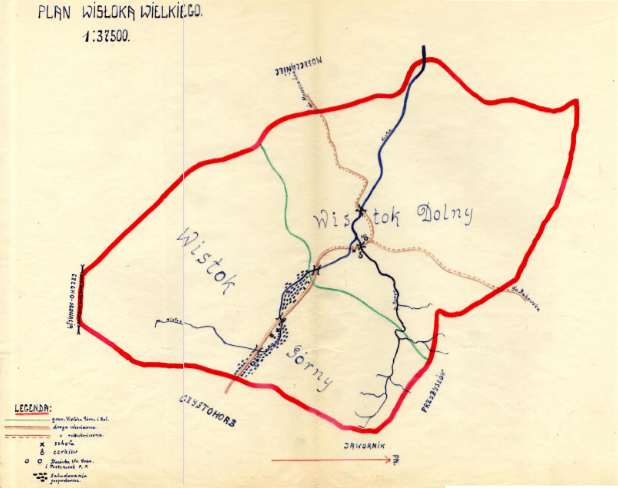
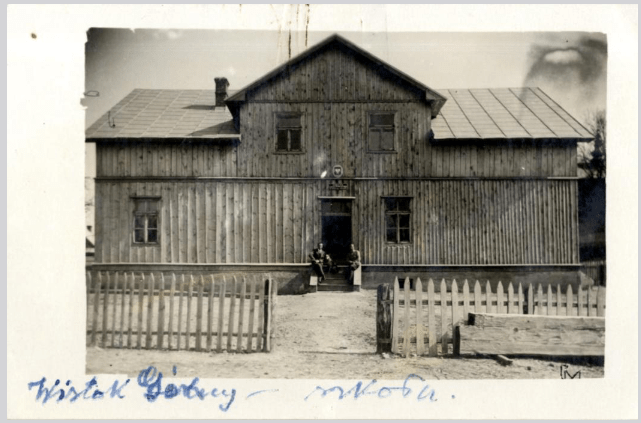
Wisłok Górny
The local population believes in ghosts and spirits associated with the deceased person. They believe that the spirit of the deceased returns after death and takes revenge on those who troubled him during his lifetime. For example, the locals tell of such an event. A few years ago, a peasant died whose spirit returned and took revenge in a terrible way on people and animals—and this lasted for a year. Divine services and prayers did not help. So they brought in a Czech sorcerer, who allegedly drove that spirit back into the grave—then everyone went to the cemetery, dug up the grave, and cut off the deceased’s head, from which blood allegedly poured. From that moment on, the haunting in the village stopped.
Jasiel
When a corpse is lying in the house, they do not sweep the cottage; only after the corpse is carried out do they sweep the room and burn the sweepings so that the spirit does not return for anything. While carrying the corpse out of the cottage, they move the seed and manure—so that they do not “die” (spoil/lose their vitality). On the Feast of the Annunciation of the Blessed Virgin Mary (March 25th), they lean harrows against the stable doors, and in the morning they check if the doors and harrow are undisturbed; if they were moved, it means a “prasorka” (i.e. a witch) visited, bewitched the cows, and there will be no milk.
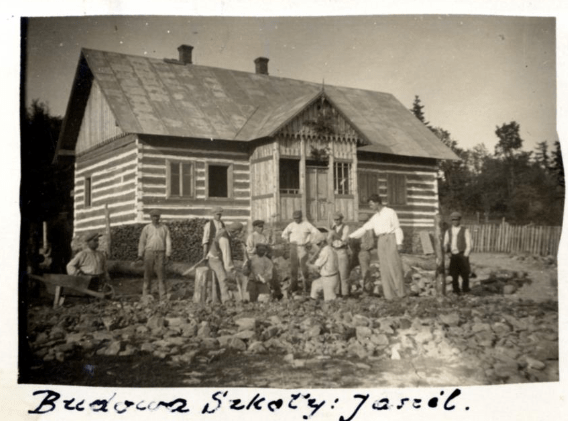
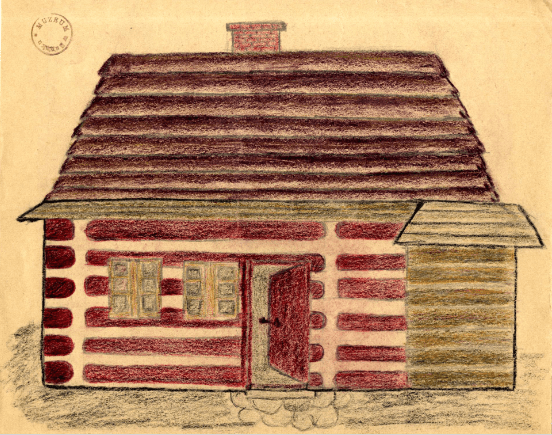
School Construction: Jasiel
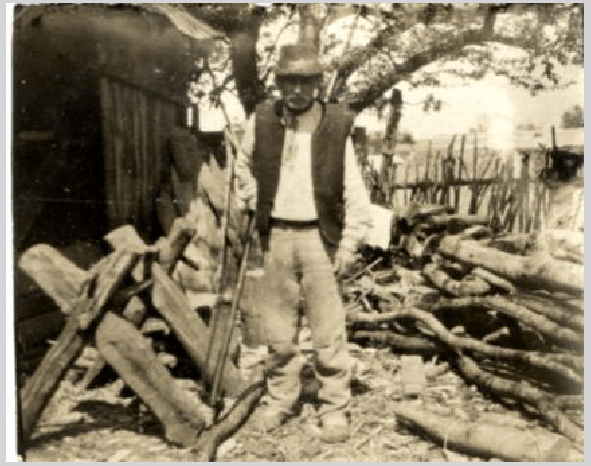
Jasiel–Lemko type
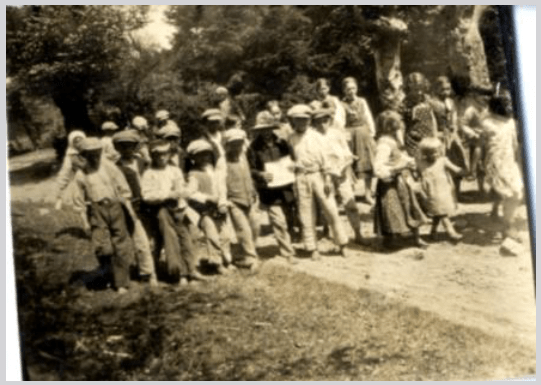
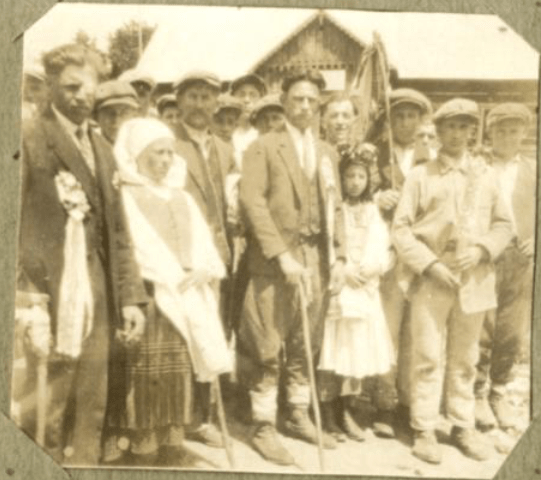
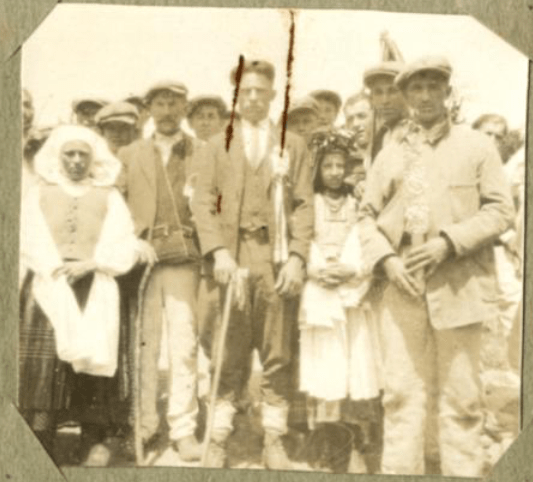
Surowica, Darów, Moszczaniec
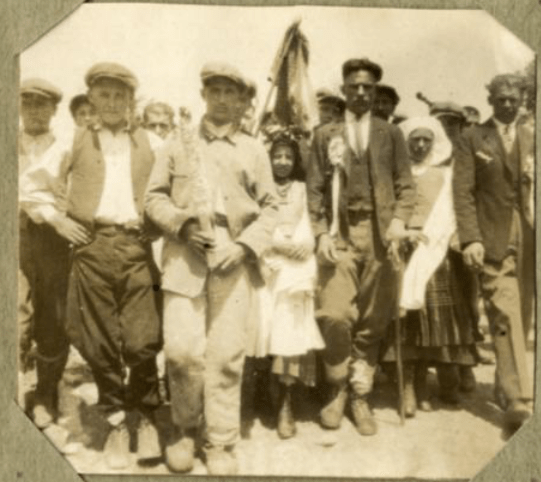
The local population treats the deceased person very naturally. Candles burn near the deceased, and in the evenings people gather, mostly youth of both sexes, for the so-called “swityło.” After singing a few songs, the attention of everyone gathered turns to various games and pranks, in which the deceased is often used; when moved subtly, it causes general panic and escapes from the house, only for everyone to return moments later and continue doing the same. The deceased is usually buried the day after death. After a burial, a wake is never held without alcohol (denatured), which must not be forgotten. Generally, the deceased person does not cause any fear among the population. The people believe that the soul of the deceased sometimes walks after death, so rumors often circulate that it has appeared to this or that person. For instance, a father who left behind a widow and eight children is said to have walked after his death. He visited those farmers who had wronged his family after he passed away. Whichever doors were locked against him, he would break them open, and after entering the home, he would smash pots and bowls. Anyone he touched died. He only stopped his visits after a Holy Mass was offered for his soul. More various stories circulate about death, which appears in different forms.
People here believe in ghosts that are said to appear around midnight near roadside chapels and unblessed crosses, or those erected with improper intentions. Near a chapel next to which an old woman allegedly hanged herself on a tree, people passing by at night often see ghosts in the form of goats, cats, horses, humans, and others, and these disappear after the beholder crosses themselves.
The local population holds a great many superstitions; a crow cawing overhead, an owl hooting, a cuckoo calling, a cat or a hare running across the road, or an old woman crossing one’s path—especially in front of them with empty buckets—is believed according to their superstitions to bring bad luck. Therefore, various curse words are hurled after them (“may it burst”), and sometimes rocks or whatever else is at hand are thrown…There exists among the people a belief in the so-called “incantation” curing of diseases, e.g., after a bite of a human or an animal by a viper, the bitten one should be saved only through an incantation. The words spoken during this are a secret of the charmer. Only some possess the power of incantation…
…They treat their cattle entirely by themselves, among which they only practice “incantations,” always believing that the animal’s disease is caused by some witchcraft cast by malicious people to cause grief to the owner…
Not many tales, legends, or stories circulate here, and even those sometimes lack any deeper meaning. Among others, there is a story about death: To a lonely housewife, one autumn evening, comes a tall female figure, dressed in white. She asks the housewife to let her warm herself a bit by the fire, as she is old and, moreover, tired. Then she asked for warm water to wash herself after a full day’s work. When the housewife granted her request, the newcomer arrived and undressed, and furthermore asked the helpful hostess to wash her back. Wishing to fulfill her wish, the hostess approaches and, seeing only a skeleton, realizes whom she is dealing with. Somewhat frightened, she asks why the lady has such dry, bony shoulders? She quickly receives an answer that it is from very hard work and from human tears shed everywhere after each of her appearances. She complains that Lord God assigned her such an unfortunate profession. After the ceremony is finished, the newcomer goes out into the field and returns after a moment with a long, sharp scythe, which she left against the wall. She turns to the housewife and, ready to strike, says that out of gratitude for the kindness the housewife showed her, she will shorten her torments and valley of tears, and take her to the other world, where it is very good. The latter, not wanting to die, does not trust the flattering words of Death, and, terrified, begins to beg her to allow her to eat a few more apples. They go out together into the orchard and begin eating apples. Suddenly, the clever housewife, seeing a hole in an apple that a caterpillar had already left, tells Death to get the caterpillar out of the apple. Death puts in first one finger, then her whole hand, and, finding nothing, turns to the housewife saying that there is nothing left inside. The housewife, however, firmly maintains that she sees a caterpillar there, and again commands Death to crawl inside the tiny hole. Meanwhile, she prepares a small peg and, when Death has completely hidden inside the apple, she tightly plugs the hole with the peg. Then she takes the apple and buries it in the ground in the cellar. A year passed, the housewife forgot about the apple, and Death remained trapped inside it. While preparing the cellar for potatoes before winter, she digs up the half-rotten apple with the peg inside it. The small peg driven into the side makes her wonder, so she gives it a tug and pulls it out. Before the hostess could realize what was happening, the very same figure of the woman she had washed a year before jumped out of the hole. Death, however, did not tarry with her, but ran as fast as possible to the dwelling, where she came upon her scythe, which the hostess had hung on the wall. Angered that she would face a harsh scolding for her extreme laziness, and wanting to make up for lost time, she mowed down half the village at once, and finally returned to the familiar housewife and, without asking anything, cut off her head. Since that time, she rarely submits to anyone, but works according to her divine instructions.
In Darów, a tale circulates that a few hundred years ago, a wealthy lord named Syrniak lived here. Once, the cellars of the manor, filled with barrels of wine, collapsed. To this day, the cellars are said to be located under the meadow, which received the name “Syrniżanka” from this event. Not far from the manor was a large pond, which was drained after the lord’s death. Its grass-overgrown bottom is a pasture today and bears the name “Staw” [Pond]. Beyond it, further away, is a marshy meadow known as “Luczysko.” There is one spot on this meadow where no one dares to stand, because whoever stands there is overcome by sleep; if they do not resist it, they fall asleep and die. If they are immediately woken up by someone, they fall gravely ill and die within a week.
Among the population of Moszczanica, a legend is preserved that a long time ago, the village, along with its small cerkiew, sank into the ground due to a curse, right on Easter. Supposedly, to this day, the sounds of bells rise from beneath the earth, but only once a year at midnight, just before Easter Sunday.
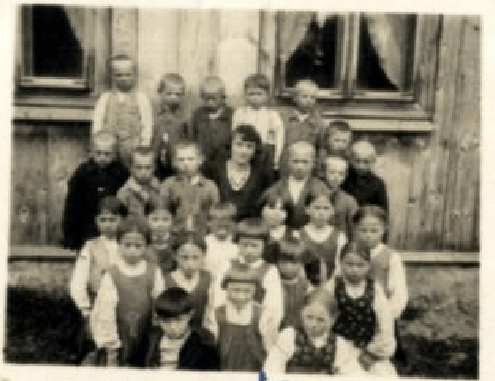
Surowica
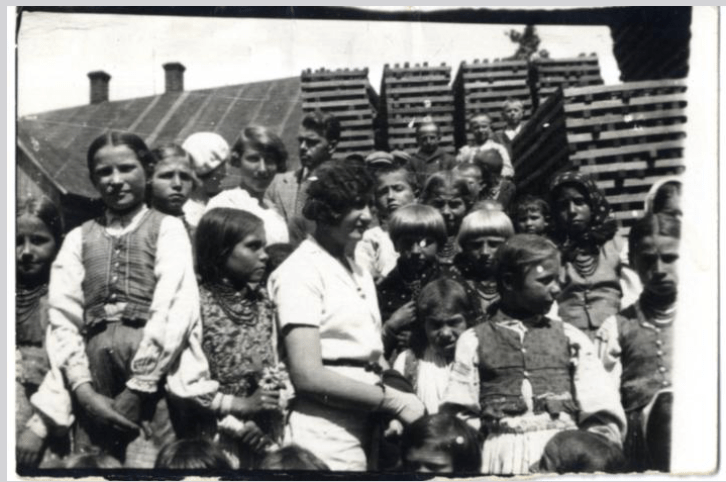
Moszczaniec
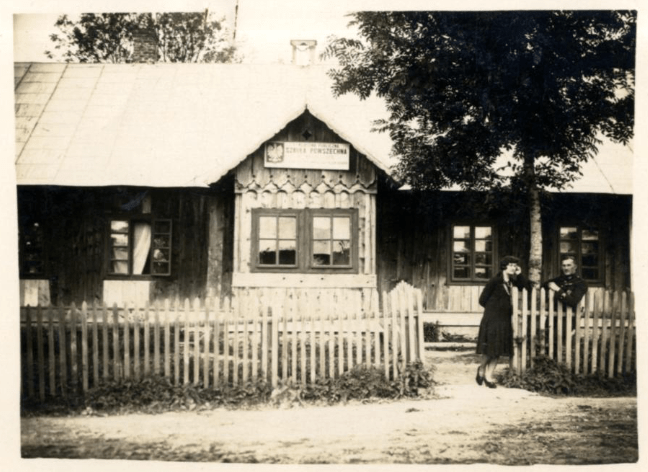
Moszczaniec School
Questionnaires without monsters
Komańcza, Osławica, Polany Surowiczne, Rzepedź, Sczczawne, Wola Michowa, Wysoczany
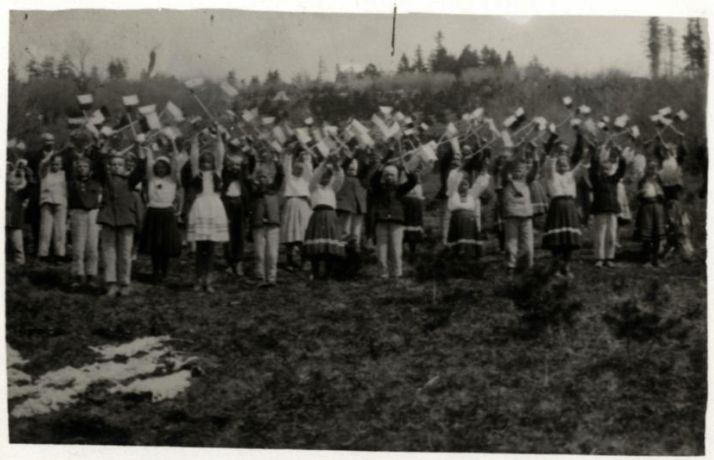
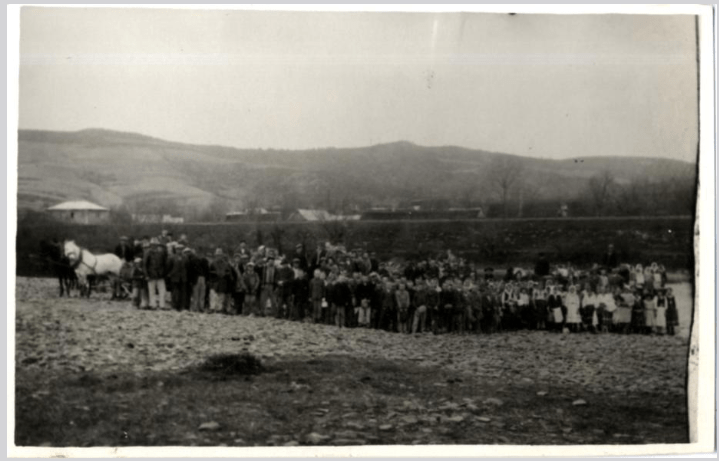
Rzepedź Forest Festival
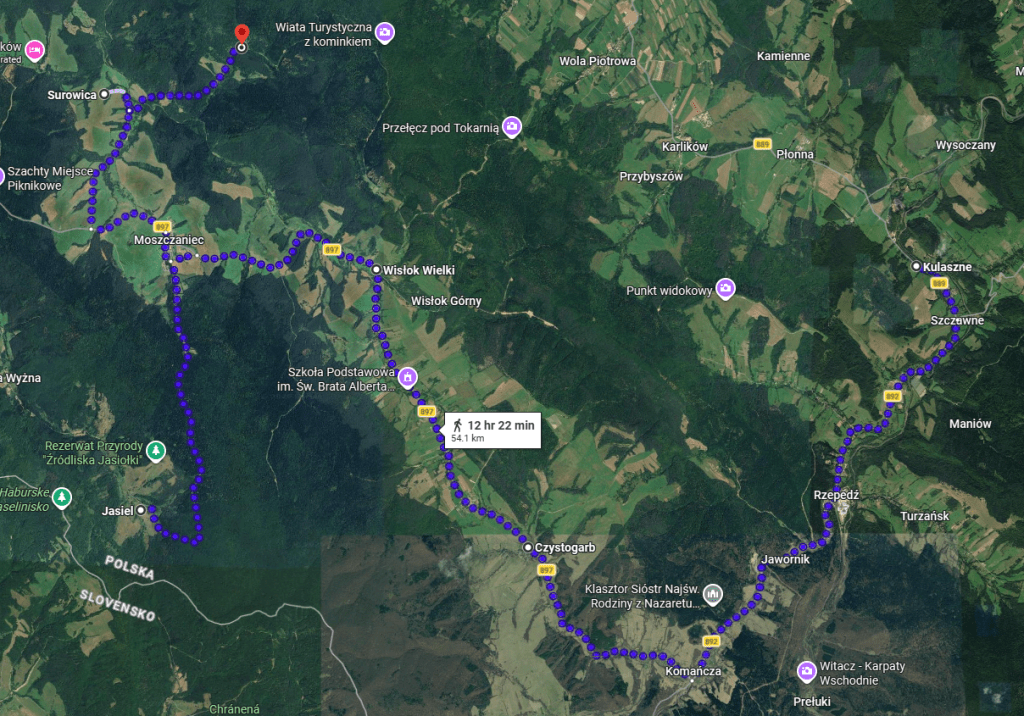
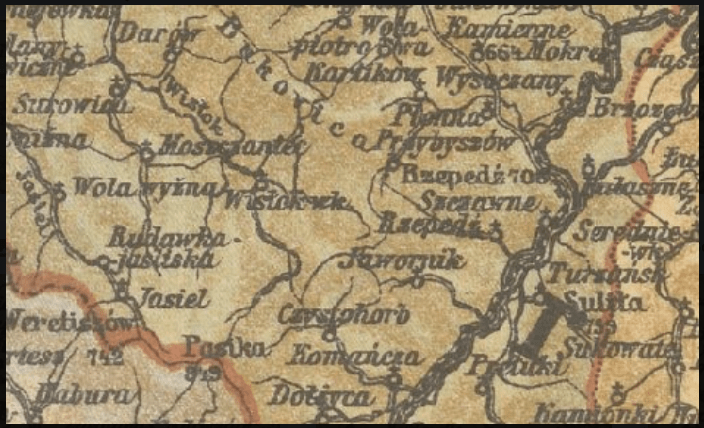
Images are found within the questionnaires, themselves, and are in the public domain. Please credit the Sanok Digital Library, not this site. Route maps from Google, vintage Galicia map from polona.pl, translations by Google.
<– Previous: Sanok County
Lesko County: Next –>

